Making an impact
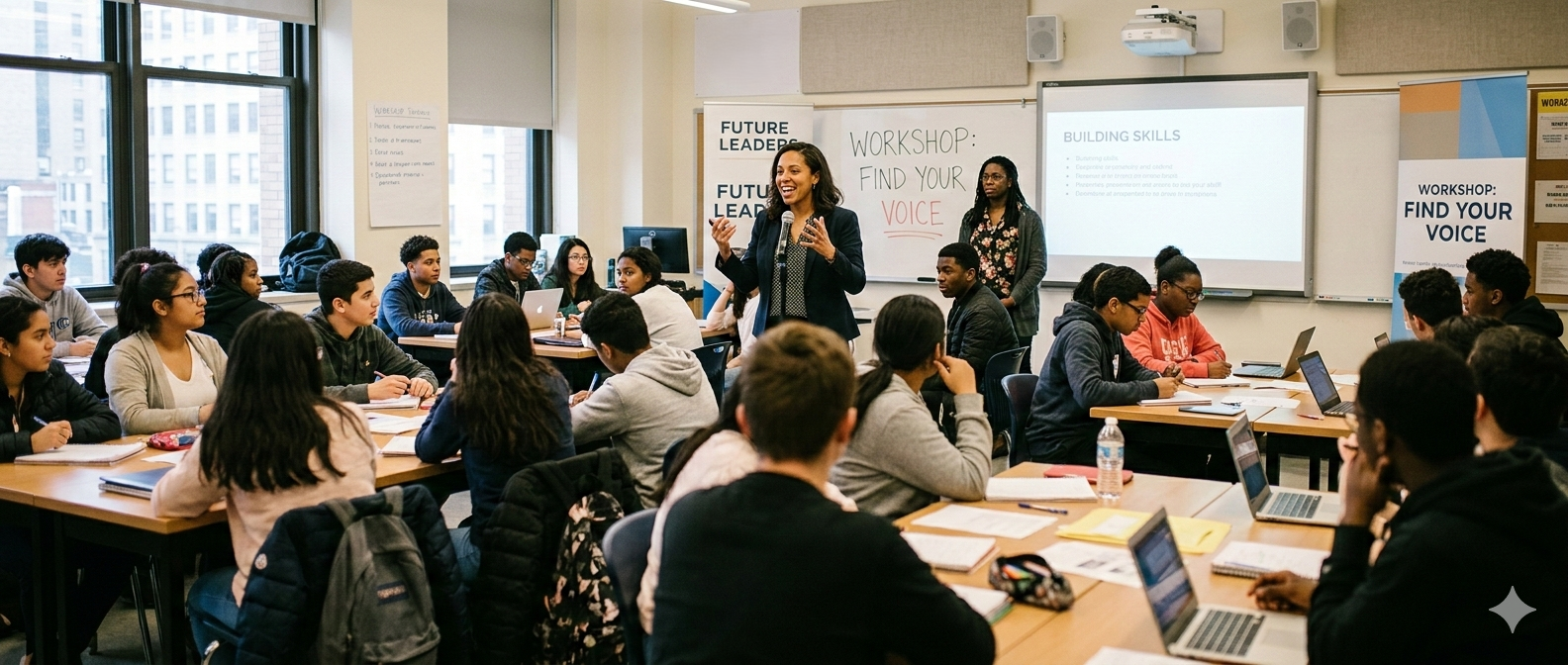
Saving Jane partners with schools and community organizations to deliver practical prevention education for young people. Through engaging, story-based workshops and take-home tools, students learn how to recognize grooming and recruitment tactics, identify red flags, strengthen online safety habits, and seek help from trusted adults.
We track our impact over time by counting the number of students reached and by using brief, anonymous pre- and post-workshop surveys to measure changes in knowledge and safety decision-making. The results below highlight both our reach and the measurable learning gains students demonstrate after participating.
Workshop Outcome Example
We use a brief, anonymous pre- and post-workshop survey to measure changes in student knowledge and safety decision-making related to human trafficking prevention and online safety. Response totals can vary by question (for example, one item had 63 pre responses and 65 post responses), but overall trends show meaningful learning gains.
Language context for this sample: This workshop was delivered bilingually in Spanish and English, and a portion of participants were primary Arabic speakers supported by a translator. Because the survey instrument for this session was in English, language access likely influenced survey performance. Results below are reported in aggregate.
What we measured & how student learned
1) Understanding what human trafficking is
Students were asked to identify the meaning of human trafficking (a basic definition check to reduce confusion and myths).
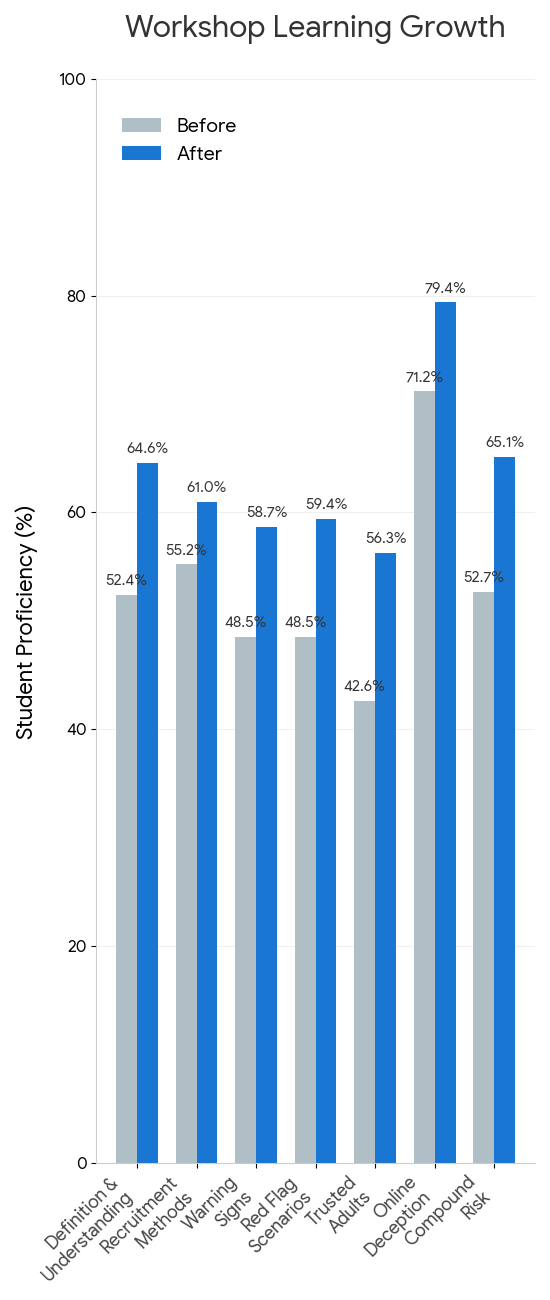
52.4% → 64.6% (+12.2 points)
2) Awareness of how recruitment often happens
Students were asked about common recruitment methods, including the role of online contact and manipulative promises.
55.2% → 61.0% (+5.8 points)
3) Recognizing warning signs and patterns
Students were asked to recognize multiple indicators that, together, can signal trafficking risk (rather than focusing on a single sign).
48.5% → 58.7% (+10.2 points)
4) Identifying practical “red flags” in real-life situations
Students were asked to identify unsafe behaviors and situations relevant to youth safety (e.g., requests for images, underage alcohol, rides from strangers).
48.5% → 59.4% (+10.9 points)
5) Knowing what to do and who to go to for help
Students were asked what actions they would take if something felt unsafe, with a focus on turning to trusted adults at school and at home.
42.6% → 56.3% (+13.7 points)
6) Spotting online deception and compound risk
Students were asked to interpret a realistic online scenario involving identity deception and a request to meet, testing whether they could recognize multiple risks at once.
71.2% → 79.4% (+8.2 points)
52.7% → 65.1% (+12.4 points)
Bottom line: In this workshop sample, students demonstrated measurable gains in defining trafficking, recognizing recruitment tactics and warning signs, identifying risky online scenarios, and choosing trusted adults for help.
Survey results shown are anonymous and reported only in aggregate.